Preparedness: Why Do Some Carry More Kit Than Most?
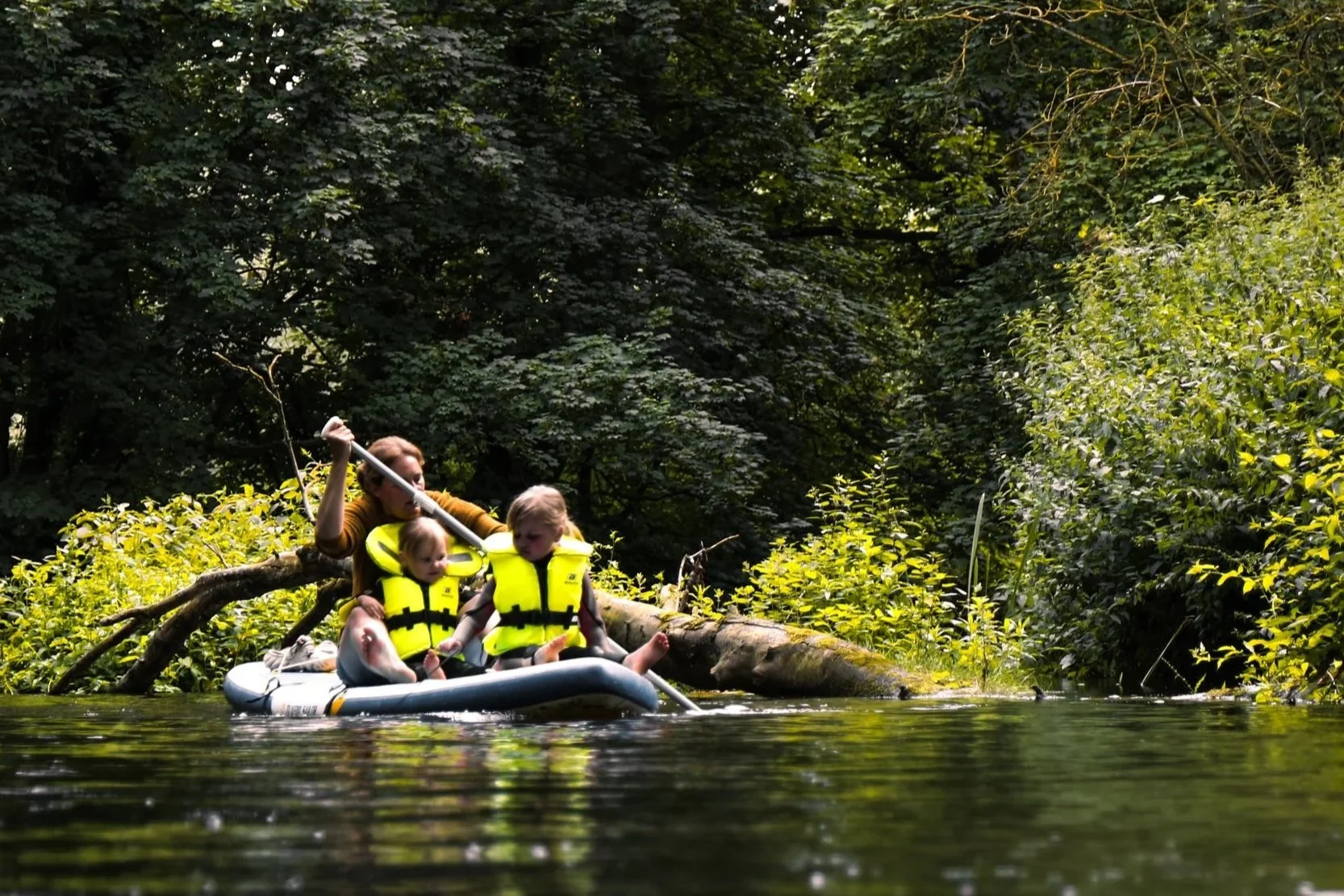
Families first paddle
There’s a moment every parent dreads, and that’s being told to go straight to A&E because your child is in danger.
Well, that was the Outdoorman family last year. After the shock of being told our daughter had Type 1 diabetes, we had to sit and seriously work out quite a few things we take for granted, and how they would work in our new world. We decided on the good old fail-safe — take each day and each adventure as it comes, and just work it out as we go.
You’re halfway out the door. Boots on. Weather doing something “character-building”.
You do the classic pocket check:
Phone.
Keys.
Wallet.
Snacks you’ll pretend are “for the kids”.
Then you look at your child and realise they’re carrying more critical life-saving equipment than a small expedition team! Well in our case not quite so true but some families and illnesses yes.
I never thought I would be buying a phone for my child who is under an age that is in double digits. But here we are!
Welcome to outdoor parenting with Type 1 diabetes. It’s not that bad, and some parents and people have it a lot worse than us. But what was once a toy, or something you were bound to lose before getting home, has suddenly become something critical.
There’s a saying in the army and emergency services world:
Hope for the best. Prepare for the worst.
Most of us think that means weather, terrain, kit failure, or navigation mistakes. And yes — it absolutely does. But preparedness isn’t just about what’s in your rucksack. Sometimes it’s about who is walking beside you, and what they carry every single day, whether you can see it or not.
For me, that reality hit home when my daughter was diagnosed, and it completely changed how I think about being prepared.
Most of us get into the outdoors because we like being self-reliant or a challenge from catching that next fish, walking the next hill or mountain or next river to explore.
We like knowing that if the weather turns or the trail vanishes into bog — we’re sorted.
After the diagnosis, suddenly preparedness wasn’t just about comfort or convenience.
It was about safety. Every day. Everywhere.
No dramatic music.
No heroic speeches.
Just… more planning.
Lots and lots of planning and forward thinking.
And weirdly? The outdoors prepared me for it better than anything else ever could. By unpredictable circumstances that inevitably happen when you're out and about you learn to adapt.
Some illnesses and conditions don’t clock off because you’re going hiking.
They don’t care that you’ve driven two hours to a beautiful spot to hike.
They definitely don’t care that you finally convinced your kids walking is “fun”.
They just exist in the background, like weather you can’t see.
For us:
Blood sugar can climb.
Blood sugar can crash.
Sometimes for obvious reasons.
Sometimes, because the universe felt spicy that day.
So you plan.
You check.
You carry backup for your backup and you get on with it.
Sound familiar?
From the outside, she looks like any other kid outdoors.
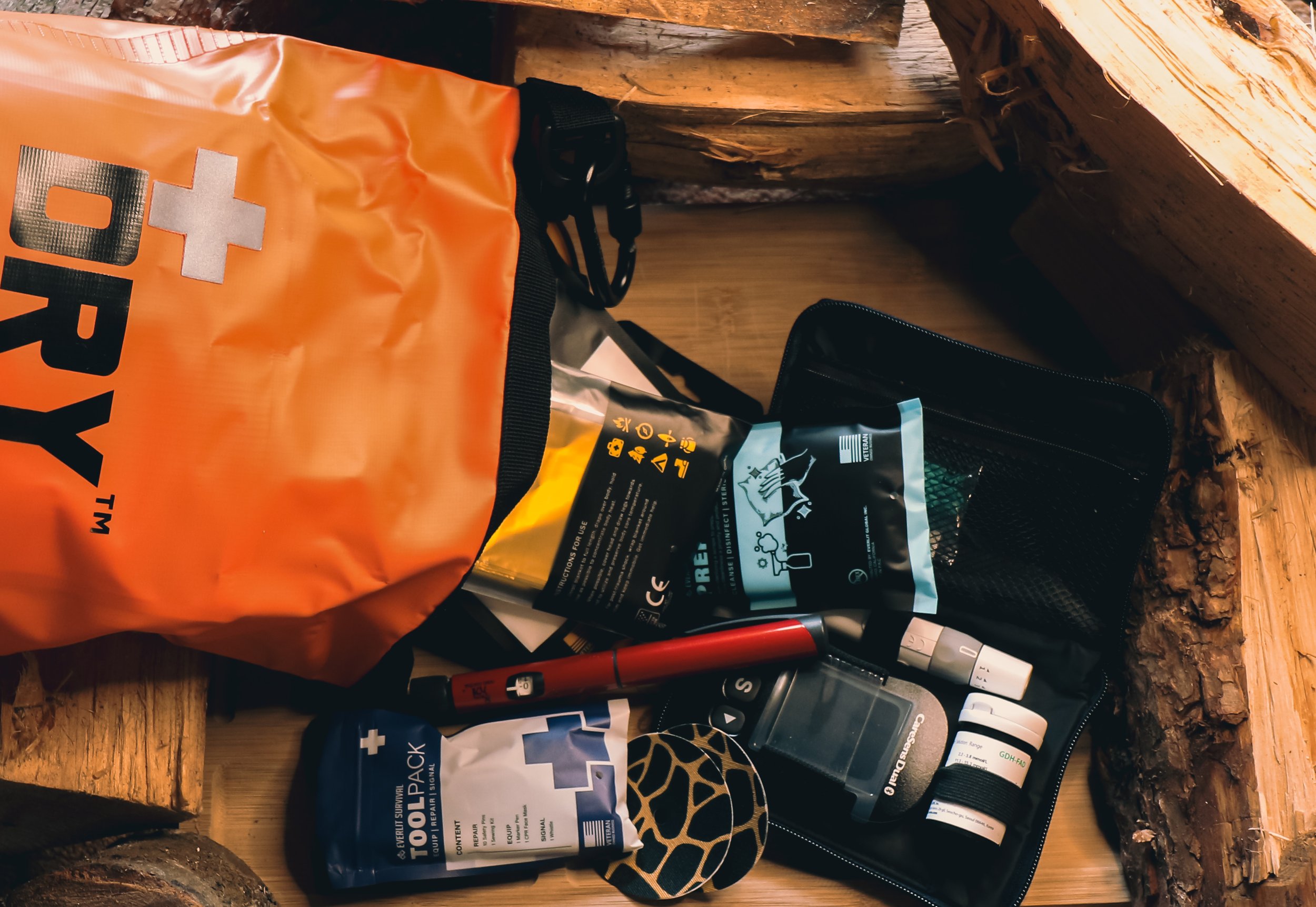
Inside her bag (and pockets, and emergency stash, and backup emergency stash) is a small pharmacy and monitoring station.
We’re talking:
Glucose monitoring kit
Insulin delivery
Fast sugar for hypos
Slower carbs for stability
Spare everything
And probably forgotten something too!
If you’re an outdoors person, you’re already nodding.
Because you’ve done this your whole life — just with waterproofs and headtorches instead of glucose tablets. It all works the same way.
The outdoor mindset is basically a medical-condition mindset, just with more mud, water, or [insert your answer here].
You already:
Plan routes
Carry kit
Monitor changing conditions
Stay calm when plans go sideways
Things like Type 1 just add another variable to track.
And honestly? Outdoor people are weirdly good at variables.
Here’s the honest bit.
The scary part isn’t packing the kit.
The scary part is responsibility. I remember when both girls were born thinking how the hell am I supposed to look after someone else? I can barely look after myself. But as you do, you adapt and overcome because you have to.
And this situation was the same thoughts with the same outcome.
The quiet voice in your head saying:
What if something happens out here?
What if I miss something?
What if I should have stayed closer to civilisation and Greggs?
But here’s what I’ve learned watching my daughter:
Confidence grows from competence.
Competence grows from preparation.
Preparation grows from experience.
Which means… you have to go outside and do the thing anyway.
I don’t want my daughter growing up thinking she’s “the kid who can’t”.
She’s the kid who can!
She just checks her numbers first.
And carries snacks with more strategic importance than most military supply chains.
My point in this article.
Kids don’t need to be wrapped in cotton wool.
They need skills.
They need confidence.
They need adults who treat preparation as normal, not scary.
And the outdoors is perfect for that because nature doesn’t care about labels.
It just rewards preparation and punishes complacency.
Fair? I think so.
People sometimes joke about over-preparing.
But when you strip it down, preparedness is just love with pockets.
It’s checking the weather because you want everyone home safe.
It’s packing spare layers because being cold ruins judgement.
It’s carrying glucose because someone you love might need it, fast.
That’s not extreme, that's responsible.
And in my case, it’s being a dad and a husband.
Adventure is not, and never will be, about being reckless — it’s about having fun.
A diagnosis doesn’t end adventure.
It just makes the packing list more… detailed.
And honestly?
If there’s one group of people who understand adapting, planning, and carrying “just in case” gear — it’s outdoor people.
We’ve been doing it forever.
Let me leave you with this final thought.
You don’t prepare because you expect things to go wrong.
You prepare because you plan to keep going when they do.
And sometimes, preparedness isn’t about surviving the wild.
Sometimes it’s about making sure everyone gets to grow up loving it.
And yes — she still steals my snacks.
Remember don't just be the example!….. Set the example.