RE-WILDING A BUZZ WORD OR GRATE WORK?
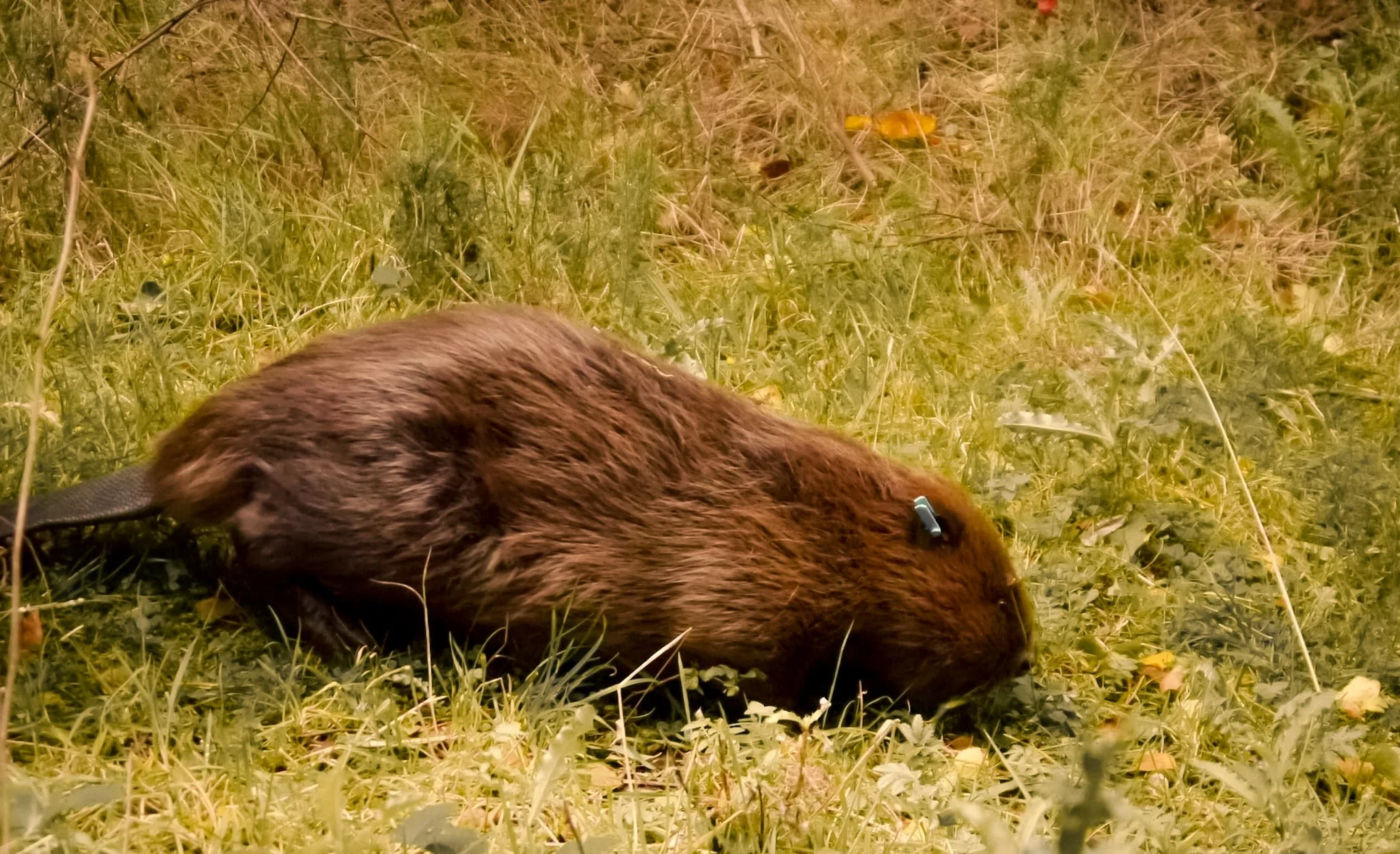
One of Ken Hill estates in Norfolk's Beaver
Wherever we turn now you can’t go far without hearing about rewilding.
Beavers are being re-introduced, and wetlands are being extended even homes are being built for insects and bugs. Then there are people who say things like we should reintroduce wolves. Is this a good thing? Over the last decade or so we have read and had to listen as people spoke about how foxes were becoming more and more urbanised in the various towns and cities. But with that, more incidents are occurring where people are being bitten or the spread of mange throughout our pet cats and dogs. Even our pets are being attacked in their gardens, which is supposedly safe area for them and for our families.
Re-wilding is the current buzz, it’s a tool which is now being used to help different species of plants or animals survive or maybe even reintroduce some species such as wolves that have been extinct in our countryside for many years come back to our fields and hedgerows. Re-wilding would also see vast expanses of land return to their natural state. There are projects on re-wilding all over England, Scotland, Wales, and Ireland, but are they working as we would hope?
Green protesters are jumping for joy about it. But we must be careful what we wish for. With the population growing and housing requirements increasing every piece of land is now being sought for these developments. Some of these lands used to be wetlands or floodplains. If we start making those places wet again will houses in those areas be safe? Or are we going to be doing the school run in a boat? These questions must be asked, councils will have to have the correct infrastructure to deal with excess water. So let’s assume the housing requirements have been met and this is now safe from flooding.
The next question is where? Farmland cannot just be turned back into a wild state ripping up crops and planting trees. What is the point of having native species back if we can’t grow the crops needed to sustain ourselves? Not every farmer in the countryside will be happy with the thoughts of giving up land. Do we look to the large swathes of Moore land dotted throughout the countryside?
Re-wilding isn’t just confined to inland projects either; some projects are helping our coastline too. At the moment there are approximately eighty-two registered rewilding projects in the UK alone, and these are just two examples of the projects like The Essex Native Oyster Restoration Initiative (in Essex England) or Pirbright Ranges where they are rewilding a military exercise area to support rich wildlife and habitats. These are two examples of projects that are happening.
I know what countryside pursuits like hunting with hounds and shooting brings to the table. We all play our part in helping. Will rewilding affect our jobs, sports, way of life? The simple answer is Yes. The way the world is moving, more and more money is being handed out for these projects and some landowners would be mad to not get a piece of the action. This started years ago and we didn’t even know it was happening when schemes like the stewardship scheme which involved growing two-meter grass margins up hedgerows all for the greater good of insects and wildlife. This will bring a diverse change to Gamekeepers and land managers with some interesting challenges on its way.
A lot of people are against the rewilding projects and rightly so with fears of job loss or traditional ways of life eroded from the countryside’s and confined to memory until, memory fades. For example, if there is a reintroduction of wolves, this would all come with additional costs. Carrying out these projects isn’t just letting the fields or woods do their own thing, but management must be implemented, as many of the general public think if we stop our shooting and our current vermin management systems, then things will return to their natural state. How wrong, the balance is so fine if it was carried out incorrectly this would jeopardise all the work undertaken in the communities in such a dramatic way that whole herds of deer, livestock, birds and small mammals could possibly be lost, this is without even looking at our rivers and streams.
Take the Pine Martin example; one of its faults of many is taking young birds from their nests. However, they also prey on the Gray squirrel, therefore helping to control numbers so the red squirrel would have a better chance of survival.
The pastureland with more wild native flowers, would allow insects and butterflies have a better chance of survival. The swallowtail butterfly is very rare to see, this fantastic butterfly is usually found on the Norfolk broads and has spectacular colouring and markings.
At the end of the day, times are changing and the population is growing, and native species and wildlife need certain amounts of protection otherwise the countryside we know and love will be lost. So do we sit back and let those with their own agendas sculpt our livelihoods or do we, the gatekeepers of the countryside have our say, get our grant funding and drive it forward using our own knowledge and experiences?
#SETTHEEXAMPLE
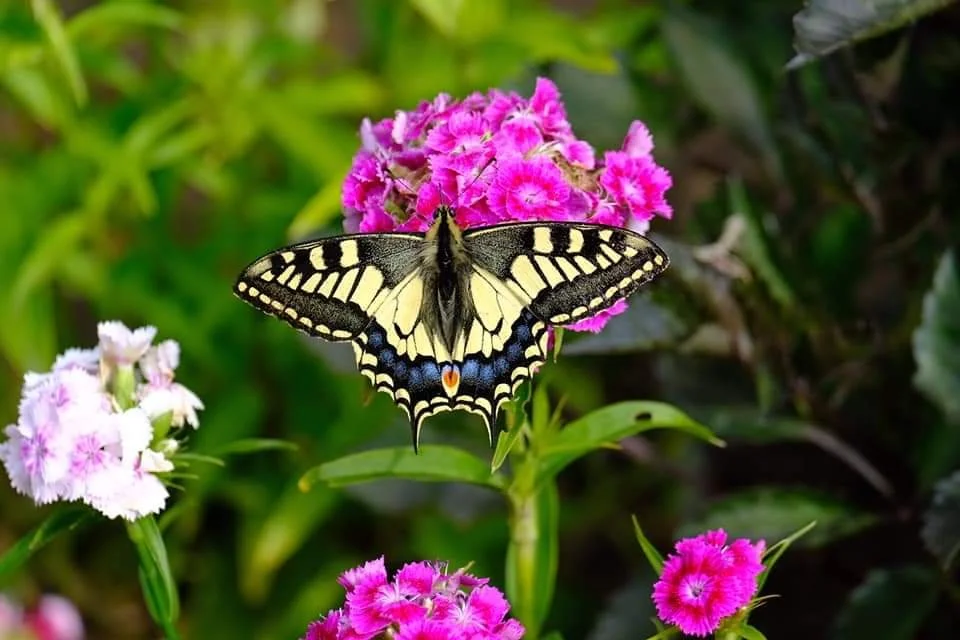
The Swallow Tail butterfly